The Importance of Pilates for the Health of the Body and Mind
Pilates is much more than just a simple physical activity.
Created by the German Joseph Pilates in the early 20th century, the method combines strength, flexibility, balance, and conscious breathing, providing benefits that go beyond aesthetics
It contributes to the overall health of both body and mind. More than an exercise, Pilates is a lifestyle.
It encourages self-awareness, promotes physical and mental well-being, and helps keep the body healthy and active in all stages of life.
Practicing Pilates is an investment in longevity, health, and balance. Whether to relieve pain, improve posture, increase strength, or simply take care of the mind, the method offers complete and lasting benefits.
Pilates:
The Path to Balance, Health, and Quality of Life
Benefits of Pilates for the Body
Osteopenia:
is an initial reduction in bone density.
It is not a disease, but a warning sign for the future risk of osteoporosis.
Osteoporosis: is the fragility of bones caused by a significant loss of bone mass, greatly increasing the risk of fractures.
The earlier we start prevention, the greater the chance of keeping bones and joints strong for longer.
Benefits of Pilates for the Mind
Stay active: low-impact exercises, such as walking, Pilates, yoga, or water aerobics, strengthen muscles and protect the joints.
Maintain a healthy weight: excess weight puts extra strain on the knees, hips, and spine.
Correct posture: avoid sitting for long periods or maintaining poor posture.
Daily stretching: prevents stiffness and improves mobility.
Who Can Practice Pilates?
Wear non-slip, comfortable shoes.
Install grab bars in the bathroom and use non-slip mats.
Keep your home well-lit and free of obstacles.
Be careful when going up or down stairs — always hold onto the handrail.
Practice balance with simple exercises, such as standing on one foot for a few seconds.

Deep Muscle Strengthening
Pilates especially strengthens the core (abdomen, lower back, hips, and glutes), providing greater support for the spine and helping prevent pain.
With exercises that enhance body awareness, the method corrects postural deviations and helps keep the body aligned in daily life.
Controlled movements increase flexibility and keep the joints healthy, preventing stiffness and limitations.

Tips for Practicing Pilates at Home
Create a Suitable Space
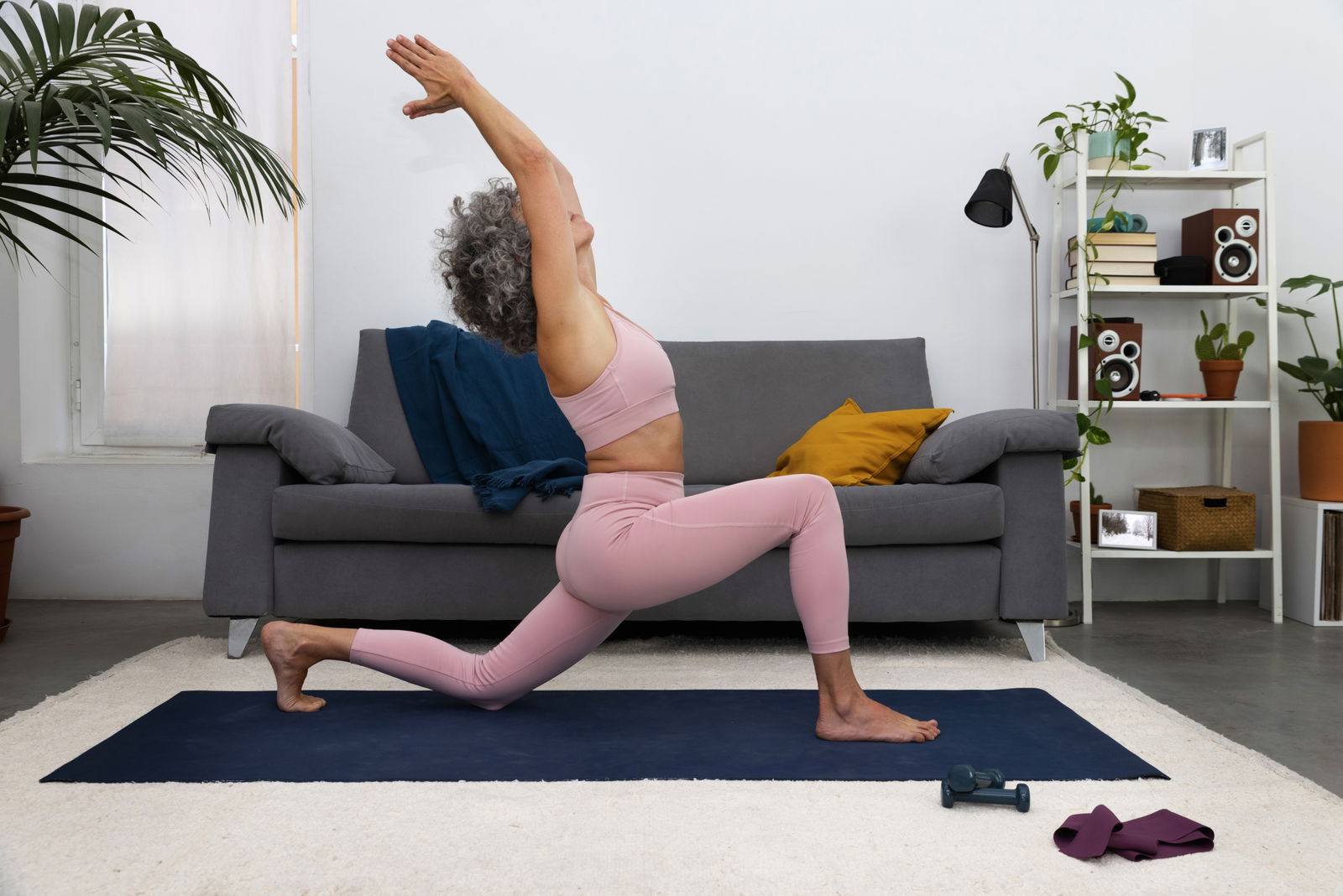
Set aside a quiet corner of your home with a mat or firm rug, good ventilation, and lighting. An organized environment helps with concentration and focus during exercises.
Use Videos or Guided Classes
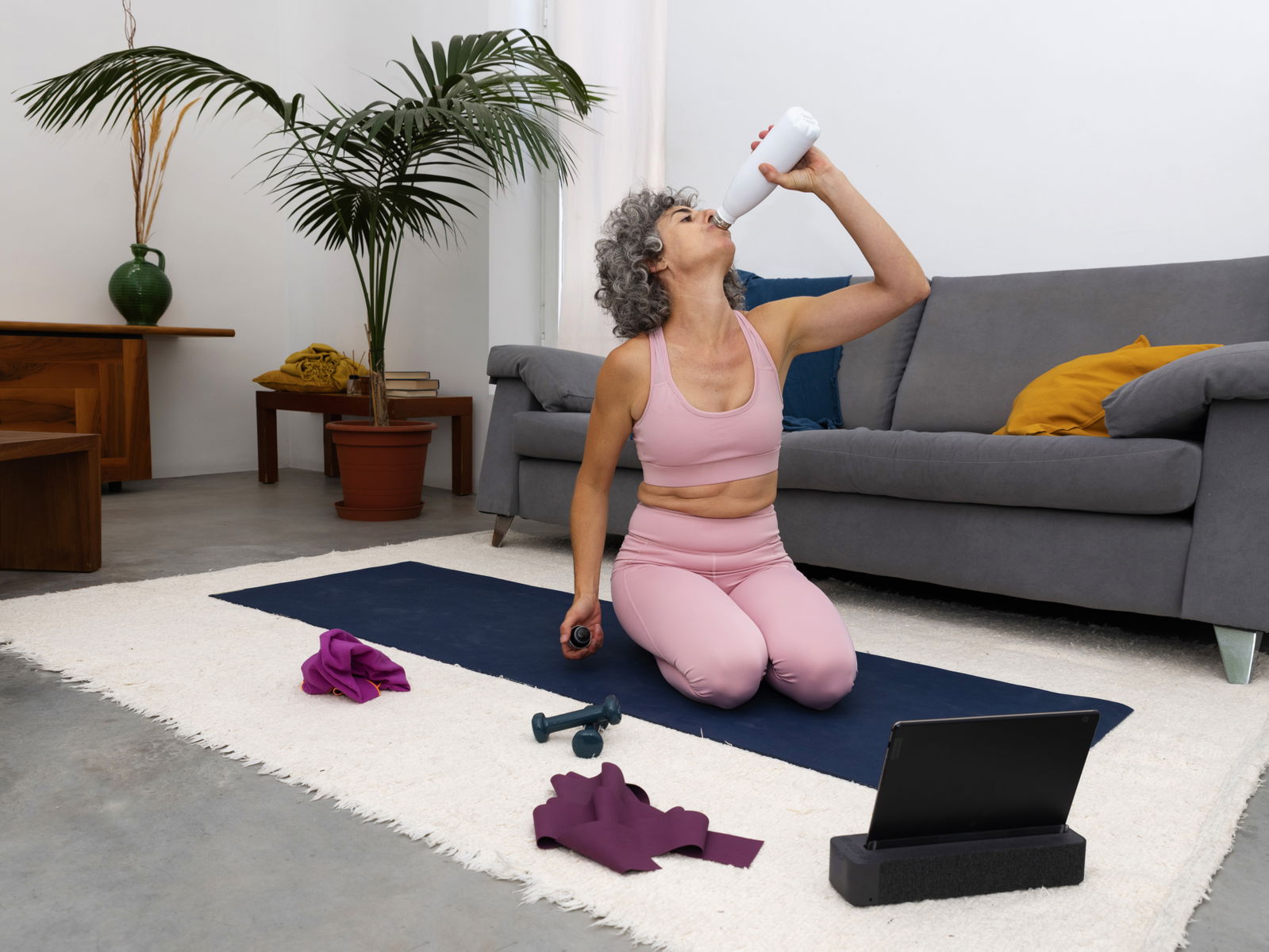
If you are a beginner, follow online classes with specialized instructors. This helps you learn the movements correctly and reduces the risk of injuries. Video platforms or Pilates apps are great allies.

Prevention of Injuries and Chronic Pain
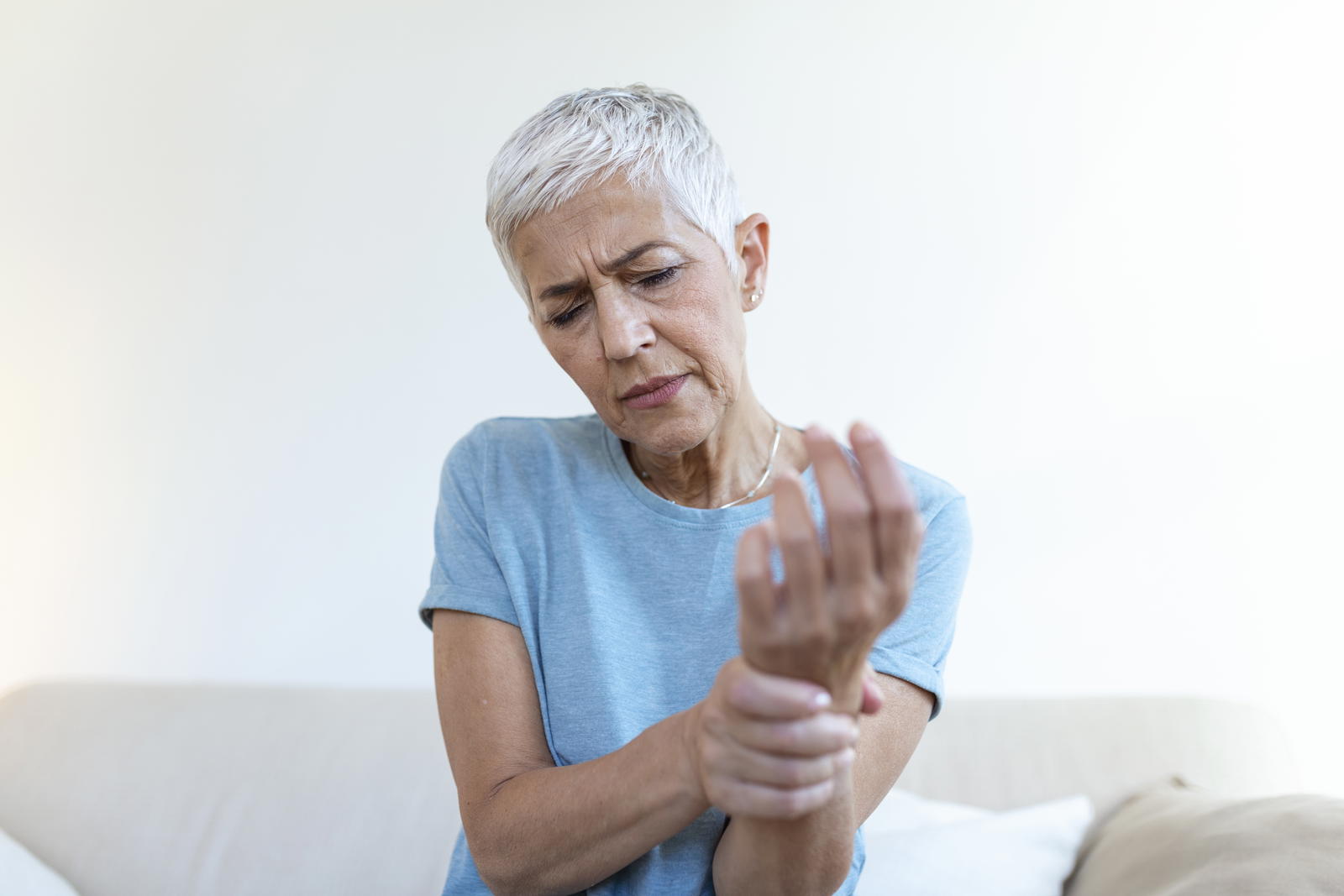
By strengthening deep muscles and improving posture, Pilates is a great ally in preventing injuries and relieving chronic pain, such as pain in the spine, shoulders, and hips. Many physical therapists recommend practicing it as part of rehabilitation.
Longevity and Quality of Life
By combining a strong body, healthy joints, and a balanced mind, Pilates becomes a true investment in longevity. It helps maintain physical independence, improves daily energy, and promotes active and healthy aging.
🏡 3 Tips for Practicing Pilates at Home
1. Create a Suitable Space
Set aside a quiet corner of your home with a mat or firm rug, good ventilation, and lighting. An organized environment helps with concentration and focus during exercises.
2. Use Videos or Guided Classes
If you are a beginner, follow online classes with specialized instructors. This helps you learn the movements correctly and reduces the risk of injuries. Video platforms or Pilates apps are great allies.
3. Respect Your Limits and Be Consistent
Start with 15 to 20 minutes a day, paying attention to your breathing and control of movements. Do not push beyond your limits — progress comes with regular and mindful practice.
How to Practice Pilates Exercises at Home
Why Practice Pilates at Home?
Convenience: you can schedule your workouts according to your routine.
Cost-effectiveness: it doesn’t require complex equipment, just motivation and a quiet space.
Consistency: it makes it easier to establish a healthy habit without leaving home.
What You Need to Get Started
A firm mat or exercise rug;
Comfortable clothing that allows movement;
A quiet and well-lit environment;
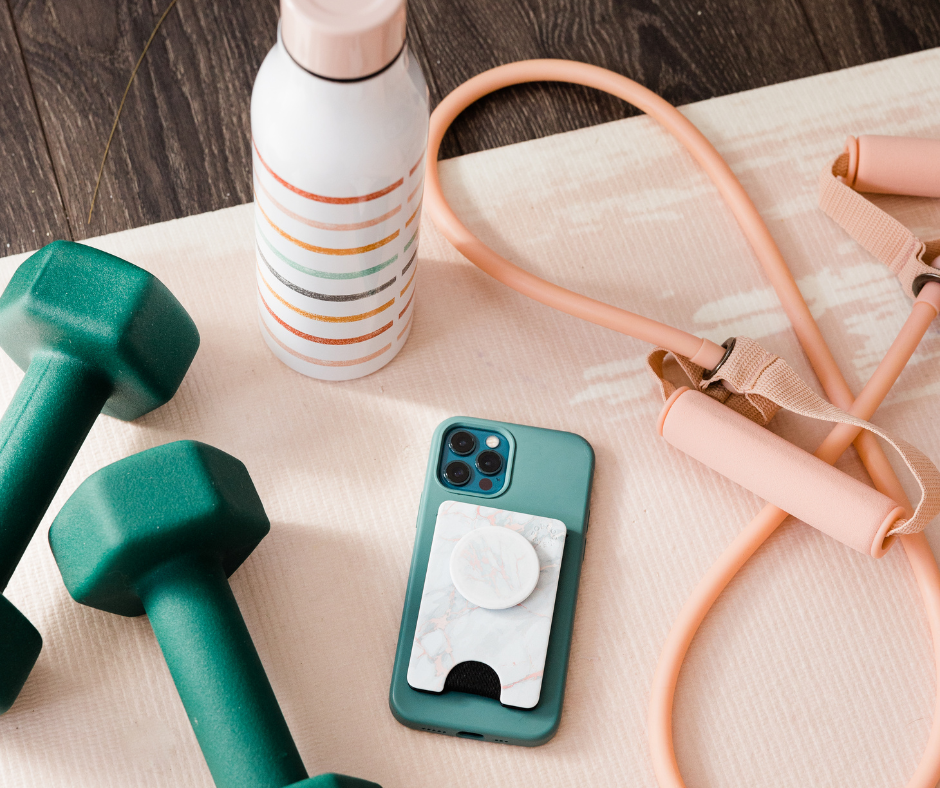
(Optional) Resistance bands, a Pilates ball, or a ring to expand the variety of exercises.
📋 Checklist: 5 Steps to Start Pilates at Home
✅ 1. Organize the Space
Choose a quiet, well-lit area
Use a firm mat or exercise rug
✅ 2. Gather Basic Accessories
Comfortable clothing
Pilates ball / resistance band / ring (optional)
✅ 3. Learn the Correct Technique
Practice conscious breathing
Follow videos or guided classes
✅ 4. Practice Fundamental Exercises
Bridge (strengthens glutes and lower back)
Plank (activates the core)
Cat Stretch (mobilizes the spine)
✅ 5. Maintain Consistency
15 to 20 minutes, 2 to 3 times per week
Gradually increase intensity
Respect your limits
📌 Extra Tip: consult a Pilates professional whenever possible to ensure safety and progress.