Healthy Movement – Taking Care of Your Joints
If you experience joint discomfort or want to prevent it, you’re in the right place. This blog is a space to learn how to take care of your joints in a gentle, practical, and motivating way. Here, we combine information on health, prevention, and self-care so you can move better, feel less pain, and live with a higher quality of life.
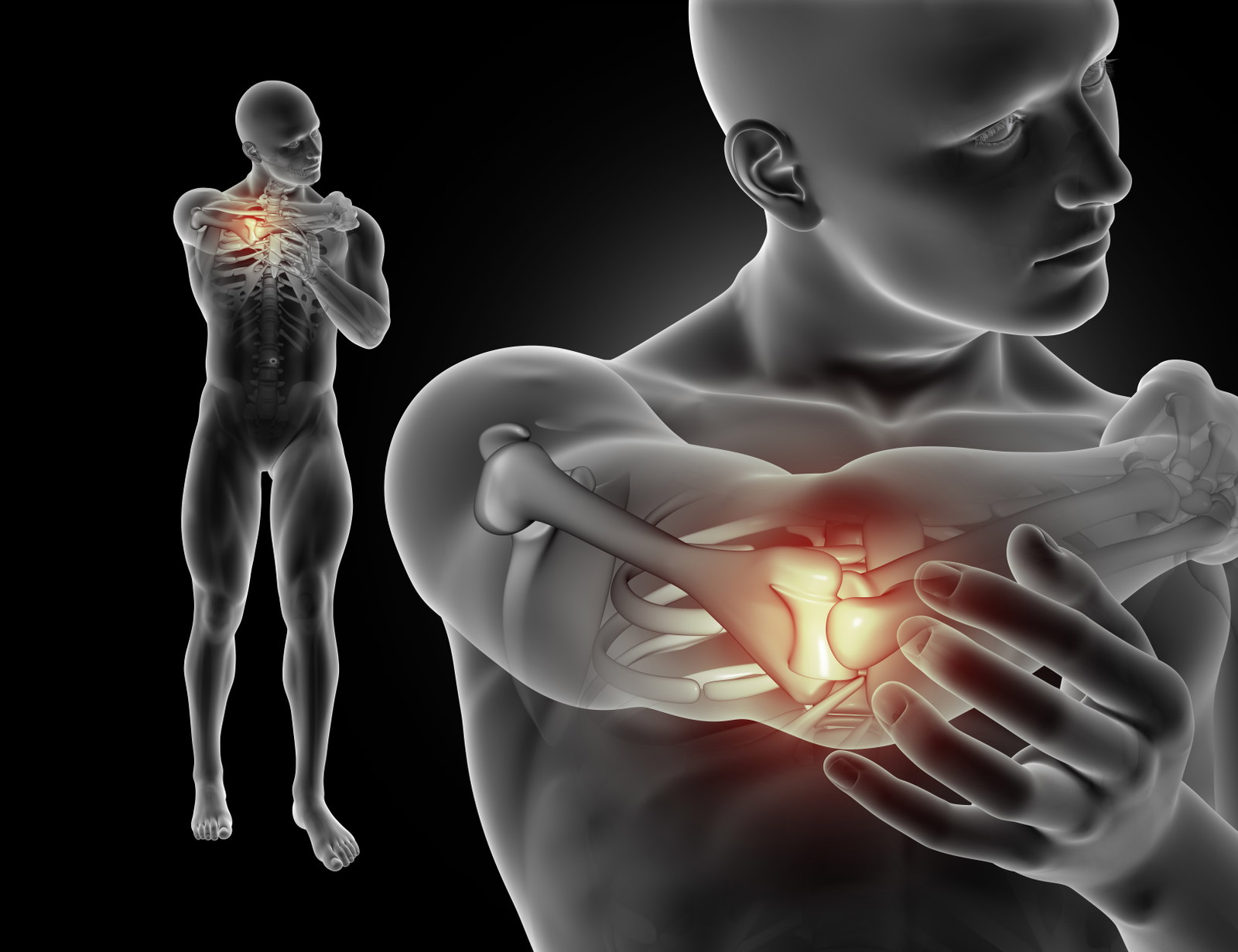
What Are Joint Pains?

When Pain Appears:
Initial Care
If you are already experiencing discomfort but are still in the early stages, small actions can improve your quality of life:
Daily stretching: increases flexibility and reduces stiffness.
Warm baths or compresses: help relax inflamed muscles and joints.
Weight control and healthy eating: remain essential.
Use of proper footwear: helps distribute impact more evenly on the knees and spine.
Moving Forward:
How to Manage Pain at a More Advanced Stage
If the pain has become intense or frequent, it’s time to combine medical care with lifestyle changes:
1. Seek Professional Guidance
Rheumatologists, physical therapists, and orthopedic specialists can assess your condition and recommend specific treatments.
2. Physical Therapy and Adapted Exercises
Personalized exercises help strengthen the muscles around the joint, improve mobility, and reduce pain.
3. Complementary Therapies
Acupuncture, therapeutic massages, hydrotherapy, and relaxation techniques can relieve symptoms.
4. Medications and Supplementation
Anti-inflammatories, pain relievers, or supplements like glucosamine may be recommended by a healthcare professional.
5. Adapt Your Daily Routine
Use supportive tools, organize spaces functionally, and avoid physical overload to reduce discomfort.

Frequently Asked Questions
Why Do Joints Hurt?
As we age, cartilage (which acts as a “cushion” tends to wear down, increasing friction between the bones, which leads to pain and inflammation.
Symptoms That Require Attention
Morning stiffness (taking a long time for the joints to “loosen” after waking up).
Swelling or redness around the joint.
Frequent cracking accompanied by pain.
Difficulty performing simple activities, such as climbing stairs, opening jars, or walking short distances.
Loss of strength or instability (the feeling that the knee or ankle might “give out”).
If these symptoms persist, it is best to seek medical evaluation.
The Role of Nutrition in Joint Health
Recommended Foods:
Fatty fish (salmon, sardines, tuna) → rich in omega-3.
Extra virgin olive oil.
Turmeric and ginger → natural anti-inflammatory properties.
Berries and citrus fruits → rich in antioxidants and vitamin C.
Chia seeds, flaxseeds, and nuts.
Foods to Avoid or Reduce:
Refined sugars and excessive sweets.
Fried foods and trans fats.
Soft drinks and processed beverages.
Excess processed red meat.
Ideal Exercises for Those Experiencing Joint Pain
Pilates:
improves posture, increases flexibility, and reduces overload.
Swimming and Water Aerobics: water reduces impact and facilitates movement.
Light Walking:
strengthens without overloading (avoid very hard surfaces).
Daily Stretching:
prevents stiffness and improves mobility.
Muscle-Strengthening Exercises* (with professional guidance).
Complementary Treatments That Can Help
Acupuncture → improves energy flow and reduces pain.
Hot and Cold Therapy → alternating compresses help with inflammation.
Therapeutic Massage → relaxes muscles and reduces joint overload.
Natural Supplements(under medical guidance): type II collagen, vitamin D, magnesium, turmeric capsules.
The Impact of Emotions on Joint Pain
Practices such as meditation, conscious breathing, and relaxing hobbies can reduce tension, helping the body cope better with pain.
Remember: chronic pain affects not only the body but also the mind and self-esteem. That’s why taking care of your emotional well-being is just as important as physical treatments.
Conclusion: The Journey Is Possible!
💡 Final Motivational Message:
Every step, no matter how small, is a victory. Don’t get discouraged if results don’t appear immediately — taking care of your body is a continuous process, and you deserve that attention.
🌿 Practical Guide: Anti-Inflammatory Recipes
Ingredients:
2 kale leaves
1 slice of pineapple
Juice of 1/2 lemon
Small piece of ginger
200 ml cold water
Preparation:
Blend everything in a blender and consume on an empty stomach.
➡️ Helps detoxify and reduce inflammation.
2. Pumpkin Soup with Turmeric
Ingredients:
500 g cubed pumpkin
1 teaspoon turmeric powder
1 chopped onion
2 garlic cloves
1 drizzle of extra virgin olive oil
Salt and pepper to taste
Preparation:
Sauté garlic and onion in olive oil, add pumpkin and cover with water. Cook until soft and blend in a blender. Return to the pan, add turmeric, and adjust salt.
➡️ Rich in beta-carotene and turmeric, a powerful natural anti-inflammatory.
3. Baked Fish with Herbs and Lemon
Ingredients:
1 fillet of salmon or tilapia
Juice of 1 lemon
1 drizzle of olive oil
Fresh herbs (rosemary, basil, or parsley)
Salt and pepper to taste
Preparation:
Season the fish and bake for 20 minutes in a medium oven.
➡️ Source of omega-3, which helps reduce joint inflammation.
4. Nighttime Anti-Inflammatory Tea
Ingredients:
1 teaspoon turmeric powder
Small piece of fresh grated ginger
200 ml hot water
1 teaspoon honey (optional)
Preparation:
Boil water, add turmeric and ginger, let steep for 10 minutes. Strain and sweeten with honey
➡️ Helps relax and relieve inflammation before sleep.
📅 30-Day Plan to Care for Your Joints
Drink 2 liters of water per day to keep joints lubricated.
Do light stretching for 10 minutes upon waking and before bed.
Include 1 anti-inflammatory recipe per day (green juice or tea).
Week 2 – Strengthening and Nutrition
Walk 20 minutes at a light pace, 3 times per week.
Include fish or chia/flax seeds at least 3 times a week.
Use warm compresses on painful joints for 15 minutes.
Week 3 – Reducing Inflammation
Practice low-impact exercises (water aerobics, Pilates, or yoga).
Consume foods rich in turmeric, ginger, and olive oil daily.
Minimize sugar and fried foods.
Week 4 – Lifestyle and Well-being
Practice deep breathing or meditation for 5 minutes daily (stress increases pain perception).
Continue light walks, increasing to 30 minutes, 4 times a week.
Establish a relaxing nightly routine: anti-inflammatory tea + gentle stretching.
8 - Restorative Sleep: The Invisible Healing
Practical Tips:
Establish a sleep routine (go to bed and wake up at the same time).
Avoid screens and caffeine at night.
Invest in a good-quality mattress and pillows that properly support your spine and neck.
9 - Sun Exposure and Vitamin D
How to Apply:
Get 15 to 20 minutes of sun exposure per day, preferably in the morning.
Include vitamin D-rich foods, such as eggs and fish.
Consult your doctor about supplementation if necessary.
10 - Emotional Control and Stress Management
Simple Strategies:
Deep breathing techniques and mindfulness.
Enjoyable activities such as gardening, crafts, or reading.
Relaxing music or daily prayer/meditation to balance mind and body.
Taking care of your joints is more than just relieving pain — it’s an act of self-love.
Every small change in your routine, whether it’s a healthy meal, a light walk, or a few minutes of relaxation, is a step toward a life with more movement, freedom, and joy.
🌸 Remember: you are not alone on this journey. Your body is wise and responds to the care it receives.
Trust the process, celebrate every improvement, and above all, never stop taking care of yourself.
👉 You deserve to live pain-free and with a high quality of life.