Diabetes:
Understanding the Disease and Its Impacts on Life
In this blog, you will learn what diabetes is, the different types of the disease, its symptoms, causes, and, most importantly, the consequences that can arise without proper care. Additionally, we will explore prevention strategies, healthy habits, and how medical monitoring can transform the quality of life for those living with diabetes. Our goal is to provide clear, practical, and reliable information, helping you make more informed decisions about your health and well-being.

🩺 What Is Diabetes?
Diabetes is a chronic condition that affects how the body uses glucose, which is the primary source of energy for cells. This imbalance occurs when the body does not produce enough insulin or when the cells cannot use it properly. Insulin is a hormone produced by the pancreas that allows blood sugar to enter the cells to generate energy.
When this process doesn’t occur, glucose accumulates in the blood, leading to hyperglycemia (high blood sugar levels). Over time, this imbalance can cause serious complications, such as cardiovascular diseases, kidney problems, vision issues, nerve damage, and even amputations.
There are different types of diabetes:
Type 1 Diabetes:
usually develops in childhood or adolescence and is related to an autoimmune process where the body stops producing insulin.
Type 2 Diabetes:
the most common type, often associated with lifestyle factors, overweight, sedentary habits, and genetic predisposition.
Gestational Diabetes:
occurs during pregnancy and can pose risks to both the mother and the baby.
Prediabetes:
an intermediate stage where glucose levels are elevated but not yet considered diabetes. It serves as a warning sign and can be reversed with lifestyle changes.
Although diabetes is a serious condition, it can be managed. Treatment involves a combination of a balanced diet, physical activity, glucose monitoring, medications, and, in some cases, insulin.
Early diagnosis and continuous care are essential for people with diabetes to maintain quality of life, autonomy, and overall well-being.




Frequently Asked Questions
Note: Click on the questions next to them to view the answers.
1. What Is Diabetes
2. Types of Diabetes
Type 1 Diabetes:
Occurs when the body does not produce insulin. It usually appears in childhood or adolescence.
Type 2 Diabetes:
More common in adults and occurs when the body does not use insulin properly. It is often associated with overweight and a sedentary lifestyle.
Gestational Diabetes:
Develops during pregnancy and may disappear after childbirth, but it increases the risk of developing type 2 diabetes in the future.
3. Symptoms and Warning Signs
Excessive thirst and dry mouth
Frequent urination
Constant hunger
Fatigue and extreme tiredness
Blurred vision
Slow wound healing
Recognizing these symptoms early helps with proper diagnosis and treatment.
4. Main Consequences of Diabetes
Cardiovascular problems: increased risk of heart attack nd stroke
Diabetic neuropathy: nerve damage that can cause pain or loss of sensation
Diabetic retinopathy:
vision problems and even blindness
Kidney disease:
potentially leading to kidney failure
Non-healing wounds:
higher risk of infections and amputations
5. Prevention and Healthy Habits
* Maintain a healthy weight
* Engage in regular physical activity
Avoid excessive sugar and ultra-processed foods
Undergo regular medical check-ups
6. Nutrition and Blood Sugar Control
Prefer whole foods, fruits, and vegetables
Avoid refined sugar and simple carbohydrates
Eat meals at regular times
Monitor calorie and carbohydrate intake
7. Physical Exercise and Quality of Life
8. The Importance of Medical Monitoring
Monitor blood sugar levels
Adjust medications
Detect complications early
Receive personalized guidance
9. Final Message
Complete Weekly Menu with Recipes for People with Diabetes
Breakfast, lunch, and dinner with practical and healthy recipes

Breakfast:
Green Smoothie with Avocado and Flaxseed
Ingredients (1 serving):
½ ripe avocado
1 cup unsweetened almond milk
1 handful of fresh spinach
1 tablespoon flaxseeds
½ green apple (optional)
Ice to taste
Preparation method:
Blend all the ingredients in a blender until smooth.
Serve immediately.
Benefits: Avocado provides healthy fats that promote satiety, while spinach and flaxseeds help control blood sugar levels and supply essential fiber.

Lunch:
Grilled Chicken Salad with Vegetables and Whole Grains
1 grilled chicken fillet
Mix of leafy greens (arugula, lettuce, watercress)
½ cup brown rice or quinoa
Tomato, cucumber, and grated carrot
Olive oil, lemon, salt, and pepper
Baked Tilapia with Spinach
Ingredients:
150 g oven-baked tilapia
Spinach sautéed with garlic and olive oil
½ cup quinoa or brown rice

Dinner:
Tuna Salad with Chickpeas
1 can of tuna in water
½ cup cooked chickpeas
Tomato, cucumber, and lettuce
Olive oil, lemon, salt, and pepper
---
**Pumpkin and Carrot Soup with Ginger
Pumpkin Soup
Ingredients:
2 cups pumpkin
1 medium carrot
1 teaspoon grated ginger
Cook, blend in a blender, and serve.
Diabetes in Children and Adolescents: Identifying, Preventing, and Caring
Juvenile Diabetes and Its Consequences for the Physical, Emotional, and Social Health of Children and Adolescents
Our goal is to provide information about the signs, types, causes, and care related to diabetes in children and adolescents. Additionally, you will learn about prevention, healthy habits, medical monitoring strategies, and ways to support the emotional well-being of young people living with the disease.
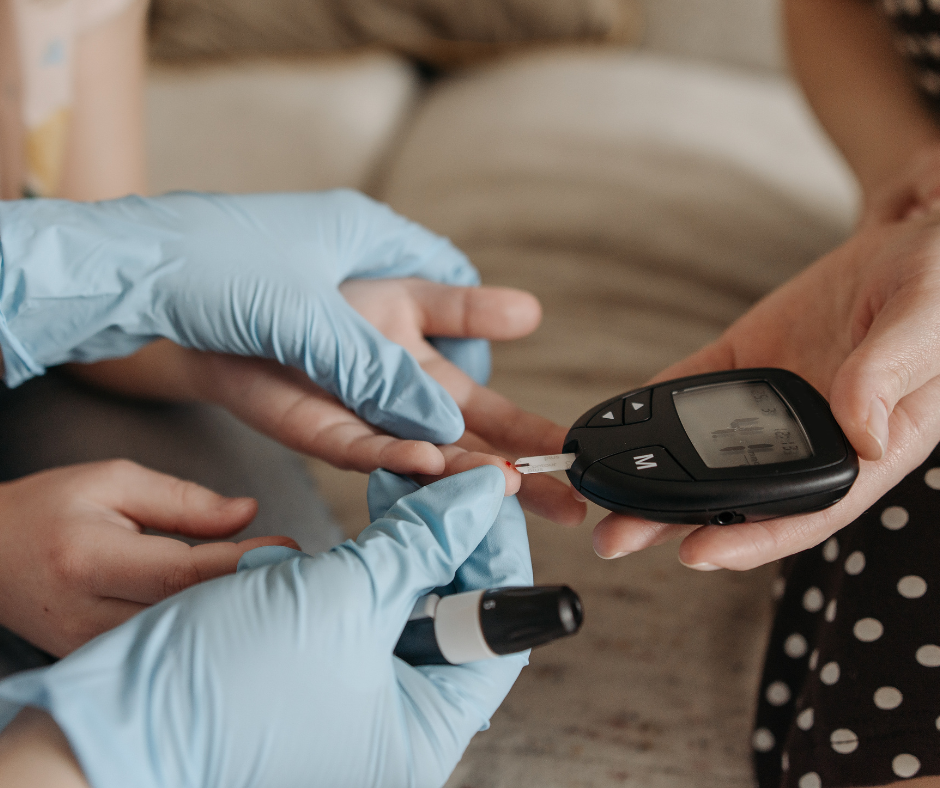
1. What Is Diabetes in Children and Adolescents?
Juvenile diabetes occurs when the body cannot produce enough insulin (type 1) or does not use it properly (type 2). Blood glucose levels remain high, potentially affecting the growth, development, and overall well-being of the child or adolescent.
2. Types of Juvenile Diabetes
Type 1 Diabetes:
The most common form in children. It is autoimmune, where the body destroys the cells that produce insulin. It usually appears before age 15.
Type 2 Diabetes:
More frequent in adolescents who are overweight or have a family history. It is related to insulin resistance and a sedentary lifestyle.
Neonatal Diabetes and Other Rare Types:
Can occur in newborns or in specific genetic situations.
3. Symptoms and Warning Signs
Some warning signs that parents should watch for:
Excessive thirst and frequent urination
Intense hunger and sudden weight gain or loss
Fatigue, tiredness, and irritability
Blurred vision
Wounds that take a long time to heal
Note: If any of these symptoms appear, consult a doctor immediately. Early diagnosis is essential.
4. Consequences of Uncontrolled Diabetes
If not properly managed, diabetes in children and adolescents can cause:
Growth and developmental problems
Learning difficulties due to unregulated blood sugar
Higher risk of future complications: heart, kidney, neurological, and eye problems
Emotional impact, anxiety, and low self-esteem
5. Healthy Eating and Blood Sugar Control
Some dietary strategies can help control blood sugar:
Offer balanced meals with protein, fiber, and complex carbohydrates
Avoid ultra-processed and sugar-rich foods
Establish a regular eating routine, avoiding long periods of fasting
Encourage the consumption of fruits, vegetables, and whole grains
Example of a healthy breakfast:
Spinach omelet or natural yogurt with berries and seeds.
6. Emotional and Psychological Support
The diagnosis of diabetes can cause anxiety, fear, and feelings of being different from peers. Important strategies include:
Openly talking about the disease
Encouraging the child or adolescent to participate in managing their own health
Seeking support groups or psychological counseling when necessary
Child Development with Diabetes: From Birth to Adolescence
Diabetes in childhood requires special attention, as a child’s growth and development occur rapidly and continuously. Understanding each stage helps parents and caregivers promote health, well-being, and independence, ensuring that the condition does not become an obstacle to a happy and active life.
From Birth to 2 Years
During this stage, growth is rapid: the baby learns to walk and talk. However, if diabetes is uncontrolled, growth may slow down.
👉 What to do?
Monitor nutrition, calorie intake, and insulin doses.
Track growth by comparing with other children of the same age.

From 2 to 5 Years
Growth slows down, and appetite may decrease, making mealtimes challenging. The child begins to control urination and bowel movements, but high blood sugar levels can cause accidents.
👉 Points of Attention:
Refusal to eat certain foods
Hypoglycemia that the child may not recognize
Higher energy expenditure during play
👉 What to Do:
Peplace refused foods with equivalents
Offer short, frequent meals
Establish routines for insulin, blood sugar monitoring, and meals
Never blame the child for bedwetting
Prepare school staff and caregivers to manage hypoglycemia and hyperglycemia
From 6 to 12 Years
The child grows steadily until the beginning of puberty, when the well-known “growth spurt” occurs. This is the school-age phase, marked by new friendships, responsibilities, and physical activities.
👉 Points of Attention:
Poorly controlled diabetes can affect school performance
The child may not fully understand why insulin or dietary restrictions are necessary
Risk of hypoglycemia and dental cavities (due to tooth changes and multiple daily meals)
May feel “different” from peers
👉 What to Do:
Inform the school and guide teachers and caregivers
Encourage sports and social activities
Promote self-administration of insulin and self-monitoring (around age 12)
Reinforce that every child is unique to preserve self-esteem
From 13 to 19 Years
During adolescence, the body undergoes intense hormonal and emotional changes. The desire for independence increases, bringing new challenges in diabetes management.
👉 At this stage, it is essential to balance the adolescent’s freedom with support from family and the healthcare team, ensuring that self-care becomes a natural part of their daily routine.